
Women taking GLP-1 weight loss drugs and pregnancy risks are receiving new attention. Drugs like Ozempic, Wegovy (semaglutide), and Mounjaro (tirzepatide) help people lose weight by mimicking a gut hormone that makes them feel full and slows stomach emptying. In plain language, food and even pills stay in the stomach longer, which can make birth-control pills absorb more slowly.

At the same time, as patients lose weight (sometimes 15–20% of body weight), fertility often improves. This combination – improved fertility plus slower pill absorption – can lead to unintended pregnancies even when women think they are protected. Recent guidance from health agencies warns women to use extra caution.
Doctors note that GLP-1 weight loss drugs delay digestion and make people feel full, which helps with weight loss. But it also means the body may absorb an oral contraceptive pill more slowly. For example, the U.S. label for tirzepatide (Mounjaro) explicitly says it “delays gastric emptying” and tells women on the pill to use a non-pill method or a condom for 4 weeks after starting or raising the dose.
In practice, studies show tirzepatide can cut birth-control hormone levels by about 20%. Semaglutide (Ozempic/Wegovy) appears to have less effect on pill absorption, but its label still advises women to stop semaglutide at least 2 months before a planned pregnancy. In short, taking these drugs may reduce the pill’s effectiveness. (Also remember – nausea or vomiting, a common GLP-1 side effect, could mean you vomit the pill!)
Weight loss itself can boost fertility. Many GLP-1 weight loss drugs users were overweight or had conditions like PCOS that can cause irregular periods. As they lose weight, menstrual cycles often normalize. One medical blog notes that after losing ~15–20% body weight on GLP-1 drugs, women often see “restored ovulation, more regular periods, and rebalanced estrogen,” all of which increase pregnancy chances.
Mayo Clinic experts agree that by improving blood sugar and reducing excess weight, these drugs can indirectly improve fertility in women who have obesity or PCOS. Put plainly, a woman who was infertile due to obesity may start conceiving once her weight comes down. In combination with the digestion slowdown, this is why “unexpected pregnancies” have been reported among GLP-1 users.
FDA and Other Regulators Issue Warnings
Regulators are taking notice of GLP-1 weight loss drugs and pregnancy issues. In the U.S., the FDA prescribing information for Mounjaro (tirzepatide) states that it can delay stomach emptying and advises women on oral contraceptives to switch to non-pill methods (or add condoms) for four weeks after starting or increasing the dose.
For Ozempic/Wegovy (semaglutide), the FDA label similarly warns it may affect other oral meds and strongly recommends stopping the drug at least two months before trying to conceive. The Mayo Clinic (a trusted medical source) echoes this: on its patient site, Mayo notes, “Do not use [semaglutide] for at least 2 months before you plan to become pregnant”.
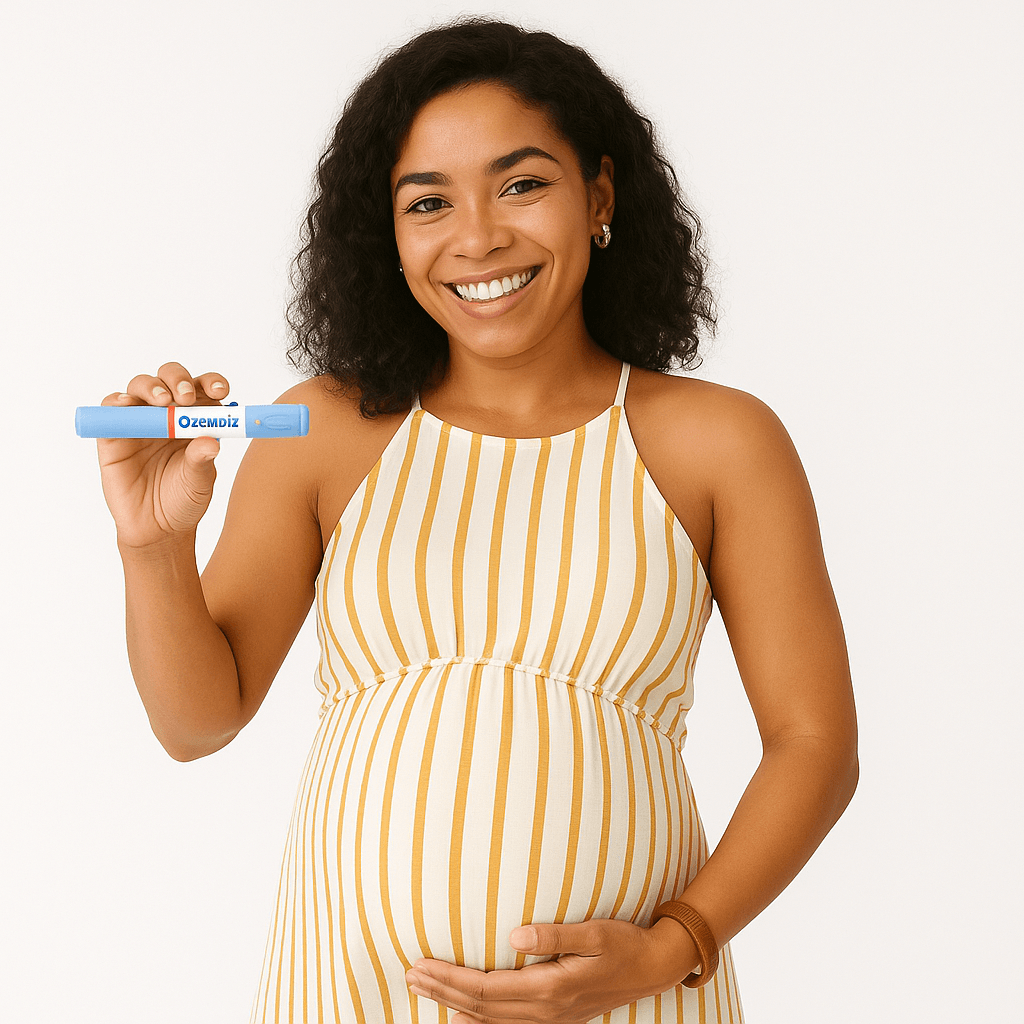
Across the Atlantic, the UK’s MHRA (Medicines and Healthcare products Regulatory Agency) issued a public alert. They remind women that no GLP-1 weight loss drugs should be used during pregnancy or breastfeeding.
The MHRA specifically calls Mounjaro (tirzepatide) a concern: overweight women taking the pill plus Mounjaro must add a condom for the first four weeks after starting or increasing the dose, since Mounjaro may weaken the pill’s effect. (In short, if you’re on Mounjaro and the birth-control pill, use extra protection at first.) These rules apply to all GLP-1 drugs, even though only Mounjaro has the strongest evidence of cutting pill effectiveness.
Clinical Data and Reports
Several doctors and studies highlight this link. UT Southwestern’s Ob/Gyn department notes many “Ozempic babies” cases, where patients with prior infertility conceived after weight loss on a GLP-1 drug. The FDA itself recommends stopping GLP-1 drugs two months before pregnancy whenever possible.
While pregnant women were usually excluded from trials, some new data is available. For example, an FDA-authorized trial of GLP-1 weight loss drugs users showed no increase in birth defects compared to insulin-treated pregnant women, though it did see more preterm births and neonatal low blood sugar.
More information is still being collected: drug makers like Novo Nordisk and Lilly are running pregnancy registries for Ozempic/Wegovy and Mounjaro. In short, actual case reports and early studies suggest no huge spike in birth defects, but emphasize the importance of preventing pregnancy on these meds.
What Women Should Do
If you or someone you know is using GLP-1 weight loss drugs and not trying to conceive, here’s the bottom line:
- Use reliable contraception. Assume standard birth-control pills could be less effective on a GLP-1 drug, especially at first. The safest approach is to use a non-oral method (like IUDs) or add a barrier (condoms) for at least a month after starting or upping the dose.
- Plan ahead. If you want to become pregnant, talk to your doctor beforehand. Providers often recommend stopping GLP-1 medications well in advance (for example, 2 months before conceiving).
- Monitor health closely. Weight loss and blood sugar changes on these drugs mean your body might respond differently. It’s wise to discuss fertility and pregnancy plans with your obstetrician or OB/GYN and an obesity specialist.
- Follow official advice. Always check the latest FDA or clinic guidance. For instance, the FDA-approved labels for these drugs carry specific pregnancy warnings.
Being informed is key. GLP-1 weight loss drugs and pregnancy intersect in complex ways: they can help some women regain fertility, but they can also disrupt contraceptive effectiveness. If you have questions, talk with your healthcare provider about the best birth control and pregnancy plan for your situation.

