
Understanding Antidepressants: Effective Strategies for Depression Treatment
Introduction
Depression affects millions worldwide, disrupting daily life, relationships, and overall wellbeing. While lifestyle changes and therapy play vital roles in managing depression, antidepressants are often key components of an effective treatment plan. In this post, we’ll explain what depression is, who’s most at risk, how antidepressants work, the main drug classes, potential side effects, and practical advice for using—and safely stopping—these medications.
What Is Depression?
Depression is more than just feeling sad. It’s characterized by a persistent low mood, loss of interest in activities once enjoyed, and at least five of the following symptoms nearly every day for a minimum of two weeks:
- Disturbed sleep (sleeping too much or too little)
- Changes in appetite or weight
- Fatigue or loss of energy
- Feelings of worthlessness or excessive guilt
- Difficulty concentrating or making decisions
- Recurrent thoughts of death or suicide
Clinicians often use two screening questions recommended by NICE: “During the last month, have you often been bothered by feeling down, depressed, or hopeless?” and “During the last month, have you often been bothered by having little interest or pleasure in doing things?” A “yes” to either, combined with additional symptoms, prompts further assessment .
Who Is Most at Risk?
Several factors increase the likelihood of developing depression:
- Biological: Family history of depression or suicide; personal history of mental health conditions
- Social/Environmental: Chronic stress, poverty, unemployment, social isolation, caregiving burdens
- Life Stage: Women are two to three times more likely to experience depression; however, men have a three-fold higher risk of suicide
- Specific Periods: Postpartum period, seasonal changes (e.g., winter), or following major losses or trauma
Prompt referral to specialist mental health services is essential when there’s significant self-harm risk, psychosis, or severe functional impairment .
Overview of Treatment Options
Mild to moderate depression may first be addressed with guided self-help—such as structured activities, peer support, and online resources from organisations like MIND or The Samaritans—alongside lifestyle measures (exercise, sleep hygiene, stress management) .
For moderate to severe or persistent depression, additional treatments include:
- Antidepressant medication
- Psychological therapies (e.g., cognitive behavioural therapy)
- Group-based activities (mindfulness, exercise classes)
- Counselling
How Antidepressants Work
Antidepressants target brain chemicals (neurotransmitters) that influence mood, motivation, and stress response. By blocking the reuptake or breakdown of serotonin, noradrenaline, and/or dopamine, they boost neurotransmitter availability in communication pathways between nerve cells.
Main Classes of Antidepressants
Selective Serotonin Reuptake Inhibitors (SSRIs)
Examples: Citalopram, Escitalopram, Fluoxetine, Paroxetine, Sertraline.
Why they’re used: First-line therapy due to safety in overdose and well-studied efficacy.
Side effects: Headache, nausea, diarrhoea or constipation, insomnia, fatigue, anxiety, sexual dysfunction, weight gain.
Serotonin–Noradrenaline Reuptake Inhibitors (SNRIs)
Examples: Venlafaxine, Duloxetine, Desvenlafaxine, Levomilnacipran
Why they’re used: May work when SSRIs don’t; evidence suggests variable individual response.
Side effects: Nausea, insomnia, dry mouth, headache, increased blood pressure, sexual dysfunction, weight gain.
Noradrenaline and Specific Serotonergic Antidepressants (NASSAs)
Example: Mirtazapine.
Why chosen: Useful when SSRIs/SNRIs cause intolerable nausea or sexual side effects; often aids sleep and appetite.
Side effects: Sedation, increased appetite, weight gain.
Serotonin Antagonists and Reuptake Inhibitors (SARIs)
Example: Trazodone.
Role: Second-line when first-line agents fail; may have lower risk of weight gain and sexual dysfunction.
Side effects: Sedation, nausea, rare risk of priapism.
Tricyclic Antidepressants (TCAs)
Examples: Amitriptyline, Clomipramine, Imipramine, Nortriptyline
Considerations: Older class with more side effects and overdose risk; sometimes used for severe or treatment-resistant depression.
Side effects: Dry mouth, blurred vision, constipation, urinary retention, sedation, dizziness, weight gain, arrhythmias.
Monoamine Oxidase Inhibitors (MAOIs)
Examples: Phenelzine, Tranylcypromine, Moclobemide.
Use: Rarely used due to serious dietary/drug interactions; reserved for specialist prescription.
Side effects: Weight gain, fatigue, sexual dysfunction, hypotension.
Potential Health Risks
Serotonin Syndrome: Confusion, agitation, muscle rigidity, sweating, shivering, diarrhoea; medical emergency requiring immediate cessation of the drug.
Hyponatraemia: Particularly in the elderly on SSRIs—symptoms mirror depression or drug side effects (nausea, headache, confusion); severe cases can lead to seizures. Monitor sodium if disorientation occurs.
Increased Suicidal Thoughts: Especially in under-25s or those with prior self-harm history. Close monitoring is essential during dose changes.
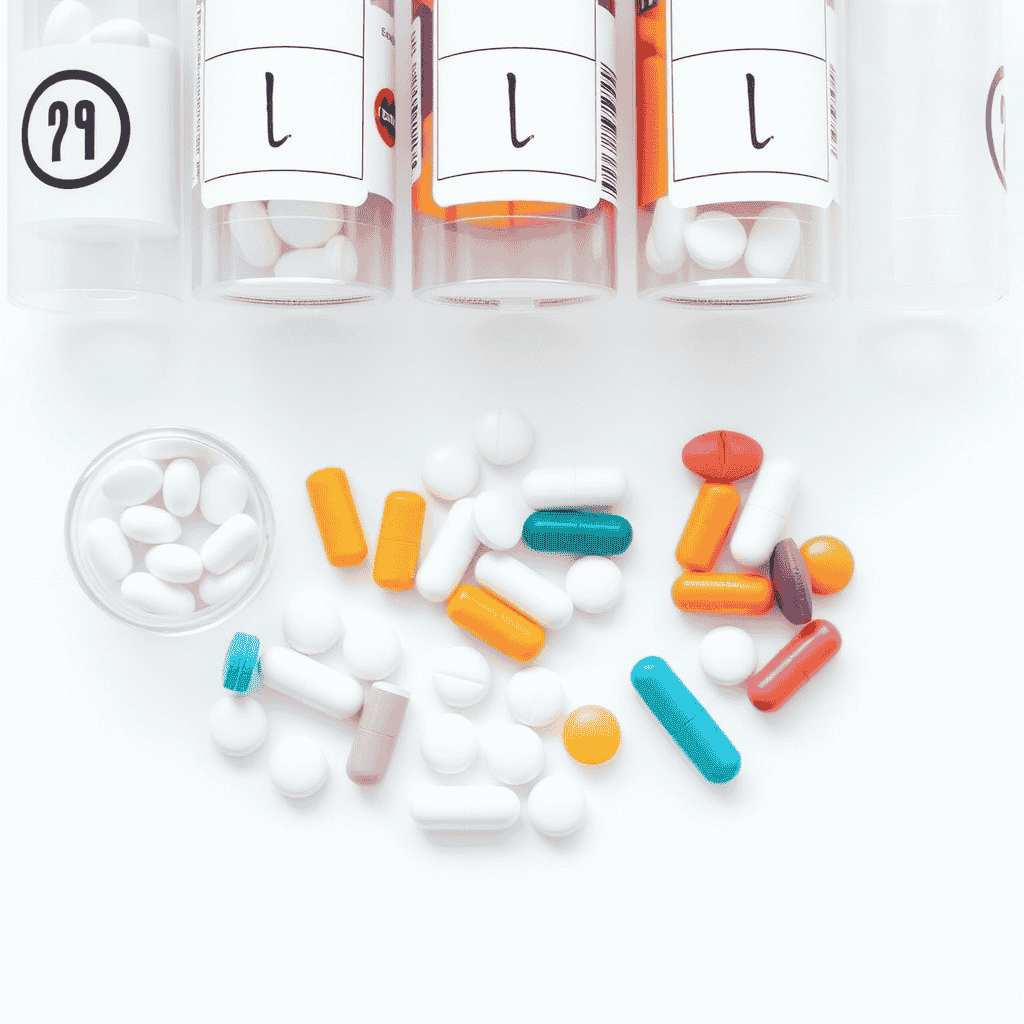
Practical Tips
Stay consistent: Take medication daily at the same time.
Give it time: Most antidepressants take 4–6 weeks to show benefit; evaluate progress after 12 weeks.
Manage side effects: Discuss any intolerable symptoms with your provider; dose adjustments or switching classes may help.
Pair with therapy: Combining medication with counselling or CBT often yields the best outcomes.
Avoid abrupt cessation: Never stop suddenly—withdrawal symptoms can include dizziness, anxiety, vivid dreams, electric-shock sensations, and mood swings. Work with your GP on a gradual taper plan.
Conclusion
Antidepressants for depression are powerful tools when chosen and managed appropriately. By understanding the different drug classes, their mechanisms, and potential side effects—and by combining medication with lifestyle and therapeutic supports—you can make informed decisions and optimize your path toward recovery.
Click here to see the role probiotics in the management of depression
